Silvia Hector Webber
A Freedom Fighter Story
Dr. María Esther Hammack
2019
Silvia Hector Webber was a freedom fighter who shaped Underground Railroad networks to freedom southward, to Mexico, during the antebellum era. She was born in Louisiana, present-day Baton Rouge, in 1807. She stands as the first free Black woman to settle and live in central Texas, in the area that today constitutes Travis County. Silvia was also the founder of Webberville, Texas, a town located 20 miles east of present-day Austin, Texas. As Harriet Tubman did in northern geographies, Silvia played a foundational role assisting people to freedom across the US-Mexico borderlands. She ferried countless people to México, where they could claim freedom.
Silvia was sold away from her mother in 1816, at eight-years old and forced to leave everyone she loved and knew in West Feliciana Parish including her mother Sarah and her grandfather, Hector. By 1819 Silvia had been transported north to the Cryer family’s plantation in Clark County which then was still considered part of the Missouri Territory. There she was sold on March 17, 1819, by Silas McDaniel to Morgan Cryer Sr., a War of 1812 veteran, for $550.
Silvia labored in the Missouri Territory for seven years until she was forced to move again by her enslavers. In the Spring of 1826, she arrived in central Texas, then part of the Mexican state of Coahuila y Texas. Silvia was registered in Coahuila y Texas on March 15, 1826, along with five other enslaved individuals introduced into Austin’s Colony by John Cryer, his wife, and their two children. Silvia was introduced into Texas after Mexico had officially issued the Federal Act of 1824, a law that “prohibited in the territory of the United States of Mexico the commerce and traffic of slaves, arriving from any foreign power and under any flag, ” and one that also decreed that “all enslaved persons who are introduced, from this day forward, contrary to this decree gain their full freedom as soon as they set foot in Mexican territory."
Unfortunately slaveholders who received land grants to settle in Mexico during that time created subterfuges for slavery, through legal and extralegal contracts and passports, that enabled them to circumvent Mexico’s laws. Slaveholders like Silvia’s were able to introduce enslaved persons into Mexican territory, particularly Texas, even despite the laws that prohibited those actions. Silvia, according to Mexican law, was a free woman since the moment she first set foot on Mexican soil. Yet, her enslaver took Mexican freedom off the table for Silvia, as most Anglo-slaveholders did for thousands of Black women, men and children brought to Texas between 1824 and 1836.
While still enslaved at John Cryer’s plantation in central Texas Silvia was sexually pursued by John Webber, a white man from Vermont who had arrived in Stephen F. Austin colony in 1823. Webber had petitioned for a land grant from Mexico and while he waited for it to be approved, he became a business associate of John Cryer, Silvia’s enslaver. Silvia’s Freedom Papers highlight the relationship John Webber established with her; a relationship that was certainly not consensual, but one that she nevertheless utilized to secure her liberation. It is unknown the exact date when Silvia met Webber, but based on existing records, they may have met before 1829. Witnesses described that Webber “became infatuated with her” during this time, likely after having met her while she labored in Cryer’s plantation. Webber was known to be a regular there due to the tobacco business Webber had with Cryer. While she was "yet the property of another, without whose consent he could not provide for nor protect" Webber pursued Silvia.10 By early 1829 she became pregnant with their first child, a daughter they named Alcy (also known as Elsie) who was born in the condition of her mother, enslaved, in October of 1829.11 Still enslaved, by 1834, Silvia gave birth to two other children, two sons, Henry and John.
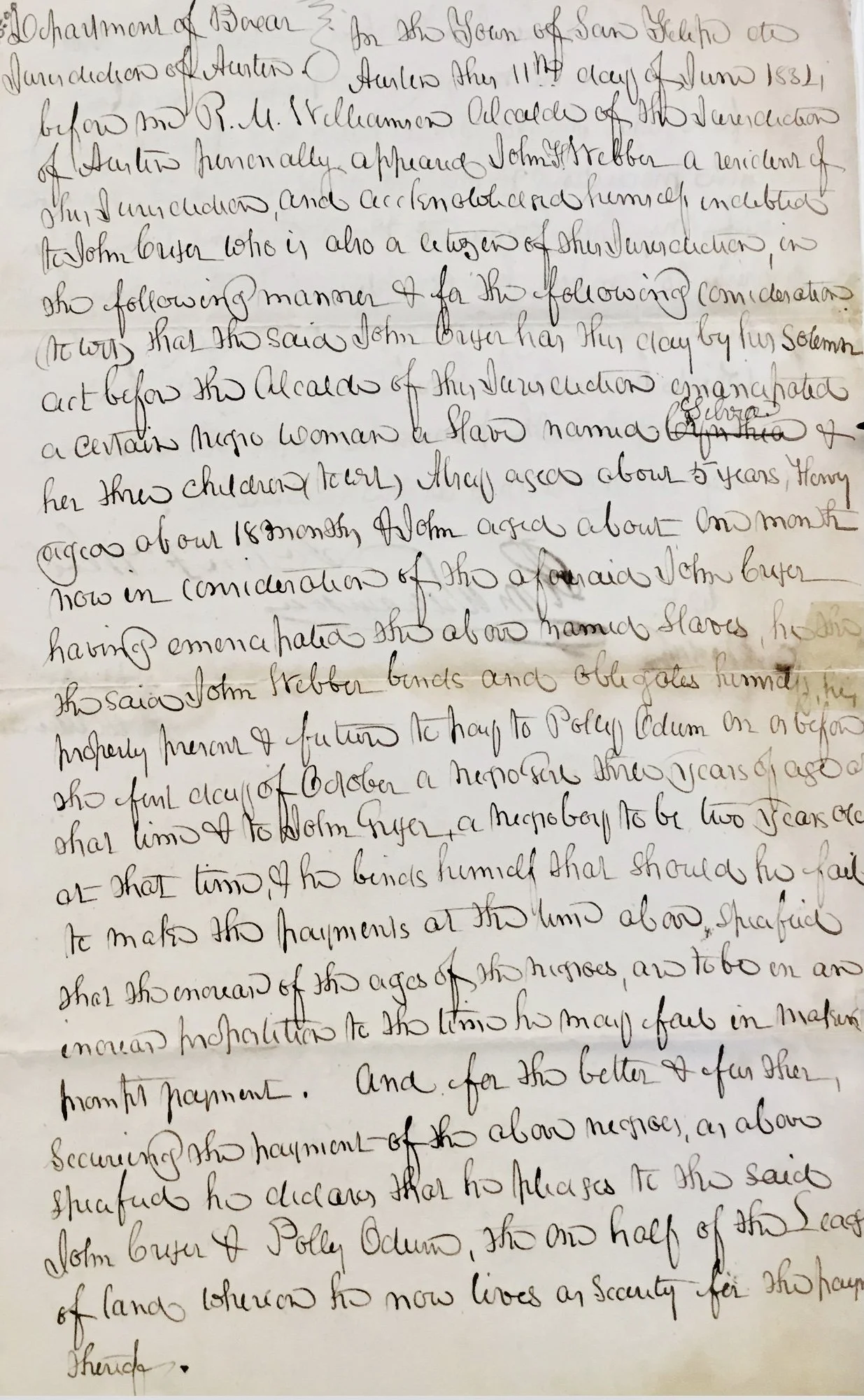
Silvia Hector Webber Freedom Papers. June 11, 1834.
As all people who experienced bondage and unfreedom, Silvia resisted her enslavement and regularly fought to be free in a miscellany of ways. After having three children, while still enslaved, Silvia was doubtlessly more active in pursuing not only her freedom but also theirs. Her freedom papers detail that on June 11th, 1834, she secured the freedom of her three children, alongside hers. Freedom was not something gifted or granted to people enslaved. The same was true for people enslaved across the US-Mexico shared geographies. Historical evidence showcases, time and time again, that even people emancipated by enslavers had to consistently and unyieldingly, fight for that emancipation. They had to fight, to negotiate, and navigate avenues to secure their freedom. Silvia’s claim to freedom was no exception. Yet, Silvia and her three children’s liberation came at a monumental price. According to witness accounts John Cryer “cognizant of the situation, took advantage of it to drive a sharp bargain” in order to agree to allow Silvia, and her partner John, to negotiate her and her three children’s freedoms. And a sharp bargain it was, because in order to secure her and her children’s freedoms, Silvia and John had to not only sign over all of their Webberville land holdings as collateral to Cryer, but also agree to forgo “any further judicial proceeding thereon, hereby waiving all laws by which he might be benefited.”
Silvia and John, additionally, were to be “obligated” to pay, not in money or specie. The freedom papers ordered that they had to, before the final day of October of that year (1834), deliver to John Cryer one enslaved boy (not older than 2 years of age) and one enslaved girl (3 not older than 3 years of age), infants that Cryer required not be older than two years old. Having children of their own, Silvia and John immediately procured ways to not pay said cost. Instead, they immediate cut ties with Cryer.
While Silvia’s freedom papers reveal that her enslaver, John Cryer, requested payment to be made in human beings, specifically in children, the Webbers refused to pay such hefty cost. Records found at the Travis County Clerk’s office demonstrate that the Webbers did not heed Cryer’s request. On the contrary the Webbers refused to make payment in human life and because of that by July of 1850, they ended up forfeiting all of their property at Webberville in order to settle the debt that they owed to Silvia’s former enslaver (for Silvia and her children’s freedoms).
During this time, when Silvia secured her freedom, Austin’s colonists adhered to punitive racist attitudes and a series of slave codes that not only limited enslaved people’s movement and rights, but also those of free black persons. Silvia did not legally wed John F. Webber, likely because miscegenation was frowned upon in Austin’s colony, even when under Mexican law their marriage could have been legal. Oral histories of Silvia’s descendants, however, declare that Silvia and John Webber were wed by a catholic priest, Father Muldoon.
In 1836 the newly minted Constitution of the Republic of Texas detailed specifications regarding free Blacks that effectively constricted their “ability to live and settle within the Republic.” By February of 1840 the Texas congress took “a much less tolerant view of free persons of color” as they officially ordered all free Blacks to leave the Republic of Texas or face re-enslavement. These restrictions made it very difficult for free Black people and interracial families to remain in the State of Texas.
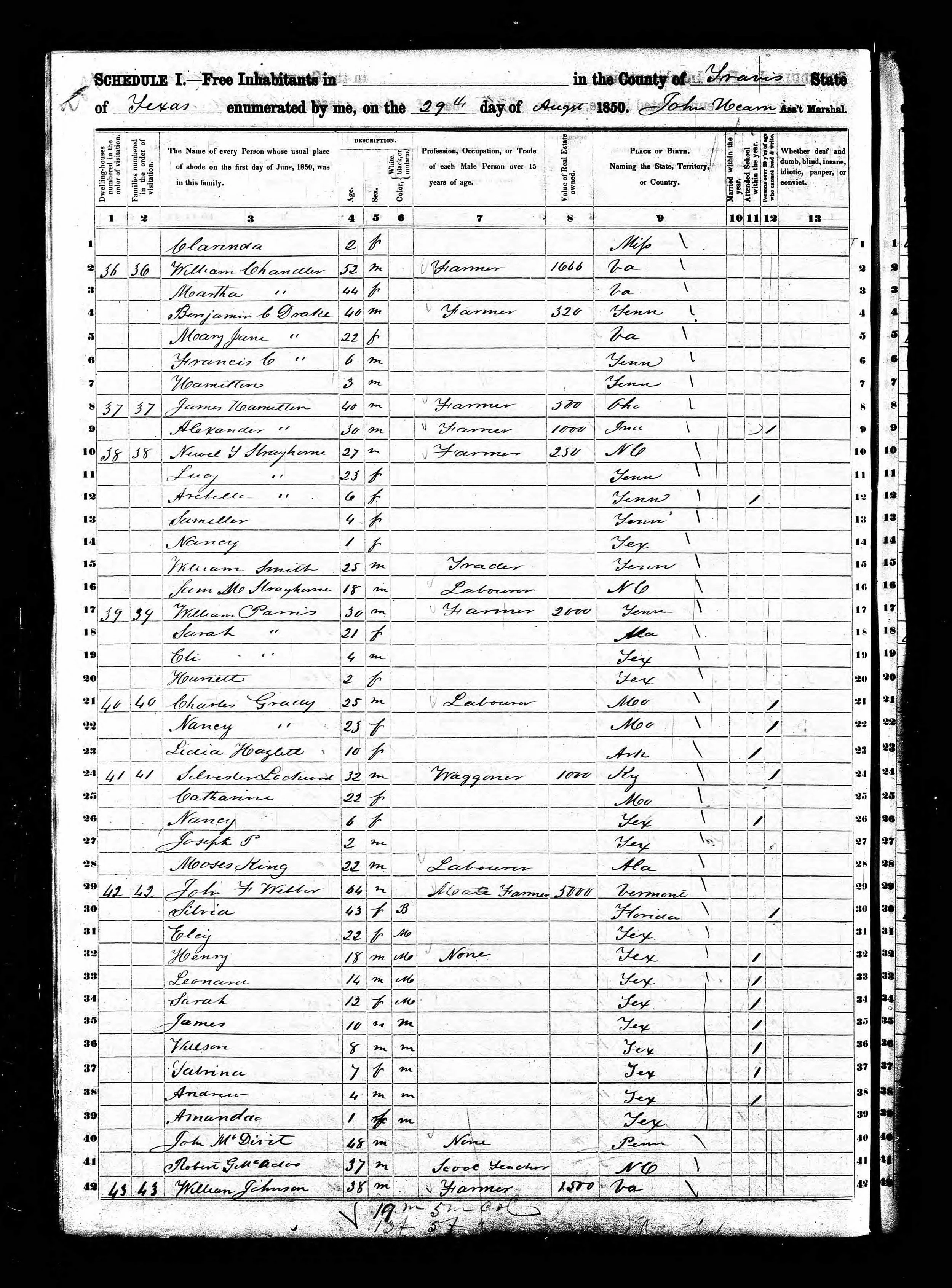
1850 Travis County Texas Census. Webber Family.
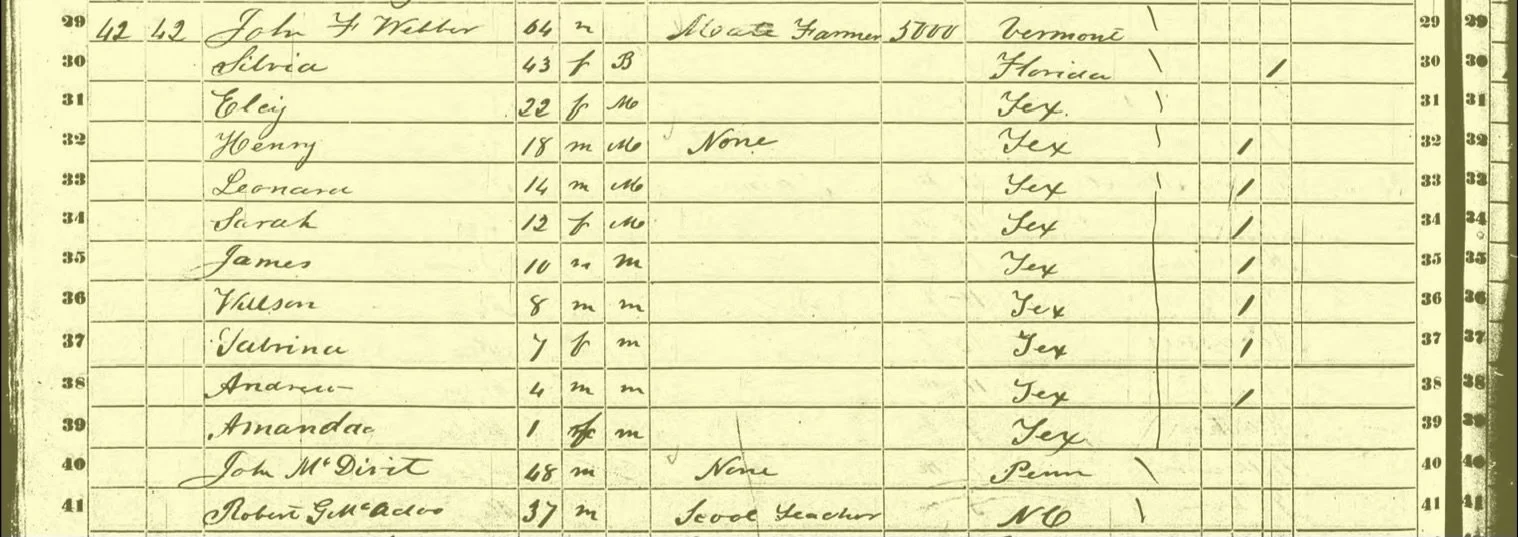
Enlarged 1850 Travis County Texas Census.
Nevertheless, Silvia and John Webber stayed in central Texas and made their union work even when they “could not mingle with the white people” due to the “strong prejudice against [free Black people]” in this state. They had 11 children, most of them born in Travis County, and only one born in South Texas. From eldest to youngest their names were: Alcy or Elsy Webber, Henry Webber, John Webber, Leonard Webber, Sarah Jane Webber, James M. Webber, Nelson Webber, Santiago James Webber, Sabrina Webber, Andrew Webber, Rachel Amanda Webber & Jeremiah Webber.
Silvia Hector and her family settled sixteen miles south of Waterloo (what would later become the City of Austin) on the 2,214.2-acre land grant that her husband had secured on July 22, 1832. Silvia became the first free Black settler of and founder of that area; an area that soon thereafter became Travis County, Texas. The family established a ranch on an area known as both, Well’s Prairie and Webber’s Prairie, and a few years later Webberville was officially established, a small town that still exists today.
According to several accounts, Silvia and her family were widely known to help people who were destitute, afflicted and even those who sought asylum. Family histories and Texas lore knowledge tell of Silvia’s role in helping many a runaway slave find refuge in her ranch, and how she would often utilize her home as a stop on the Underground Railroad that led South into Mexico. The Webber’s commissioned a ferry and constructed a ferry landing on their property at Webberville, very close to where they built their home, right “where the river makes a short turn to the south east, near the place where the first dwelling of John B. Banks was afterwards erected.” The “ferry landing was right on the Colorado River were the old country party now exists” and they often utilized it not only for their business but to ferry people to freedom.
After 30 years of living at Webber’s Prairie, Silvia, her husband and their children left Travis County. Seeking to escape racial discrimination, the blatant and often “strong prejudice against free Blacks” and increased animosity and attacks they faced, the Webber’s sold their land in central Texas and moved to south Texas in 1851. Together, on June 8, in 1853, they purchased 8,856 acres in a region known as the PorciónAgostadero del Gato, a tract of land that was adjacent on the east to the Rancho La Blanca ( a tract once ceded by the Mexican government to Luis Cavazos), on the west being next to the ranch once owned by Juan Treviño and having direct access, south of the tract, to the Río Bravo. In 1856 they bought more land located near San Juan and slightly south of Donna.
In South Texas Silvia Webber continued to assist her husband in rebuilding their lives anew and in establishing the Webber Ranch on land wedged between the Donna water pump in Hidalgo County and the old military highway that neighbored the ranch of another mixed family, also known to help fugitive slaves and asylum seekers, Matilda and Nathaniel Jackson’s ranch. At the Webber Ranch Silvia and John built another ferry landing and licensed a ferry stop that led directly from their home, down to the Rio Grande, directly onto Mexican waters, useful for both their trading business and as a means to facilitate their endeavors in helping fugitives from slavery reach freedom in Mexico.
Silvia Webber was a staunch anti-slavery advocate and throughout the Civil War, she and her family stood against the confederacy. When confederate troops occupied Hidalgo County, Silvia’s family were persecuted for being “Union sympathizers” and quickly driven out of their ranch. One of her sons was arrested and charged as a “Unionist” and another was able to escape to Brownsville, and likely across the border into Mexico.
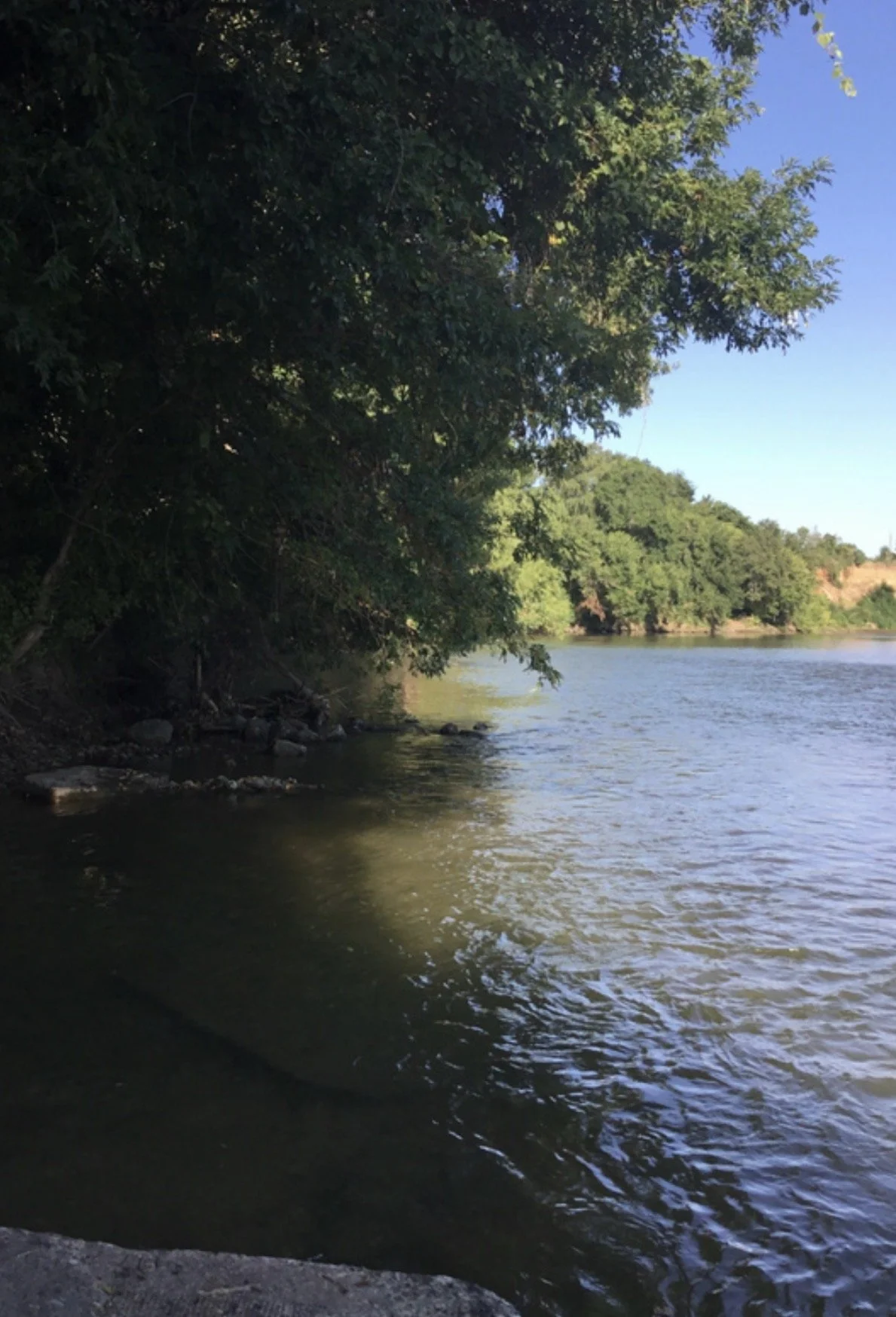
Photograph of site where the Webber’s ferry landing once stood at Webberville right on the Colorado River.
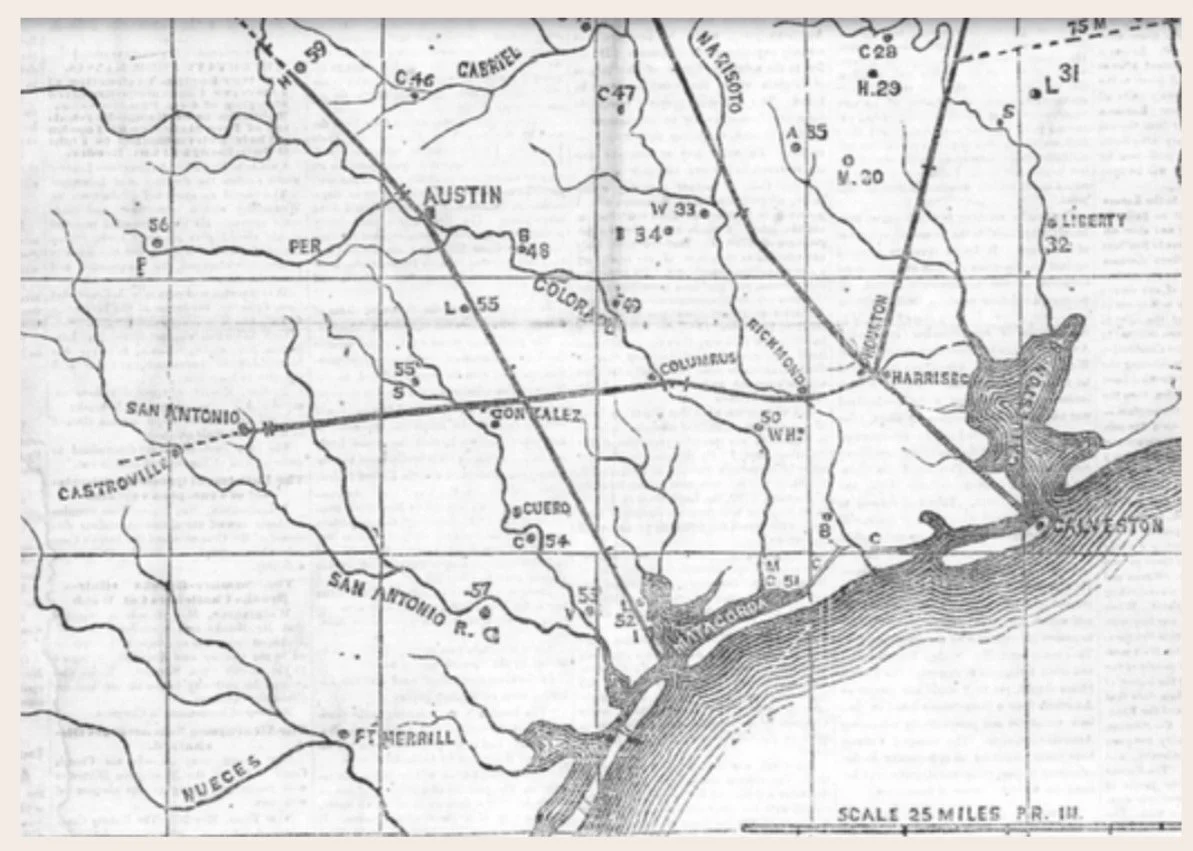
Map that shows the route, along the Colorado River, from Webberville to Matagorda Bay/Gulf of Mexico.
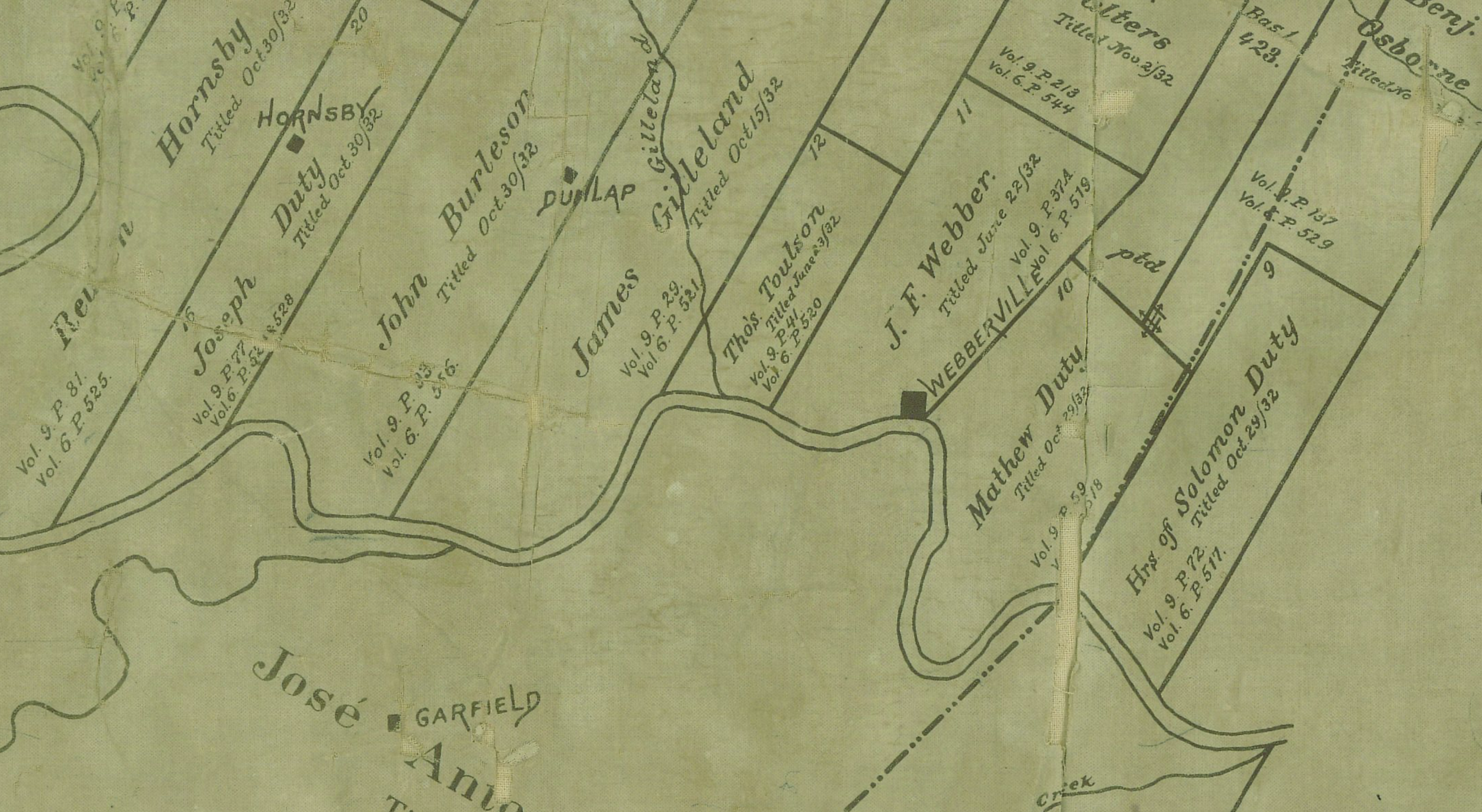
Map showcasing the Webber’s Home (dark square) at Webberville, Texas. circa 1835.
Silvia did not move fully to Mexico, and likely because she wanted to continue helping others to freedom. By staying on the border, Sylvia continued her labor of love and leading freedom seekers to Mexico, even going as far as taking some of her own children to live and reside there. She continued in that role until the outbreak of the Civil War when her family became a target, and were persecuted by the Confederacy. It was then, that Silvia too, moved fully to Tamaulipas, Mexico and settled there.
Silvia, her husband and some of their children returned to the Webber Ranch in the early 1880s. Her husband died soon after in 1882. Silvia survived and continued to live on her ranch until her death. She died on September 13, 1892 in Hidalgo County, Texas and was buried at the Webber Ranch’s cemetery.
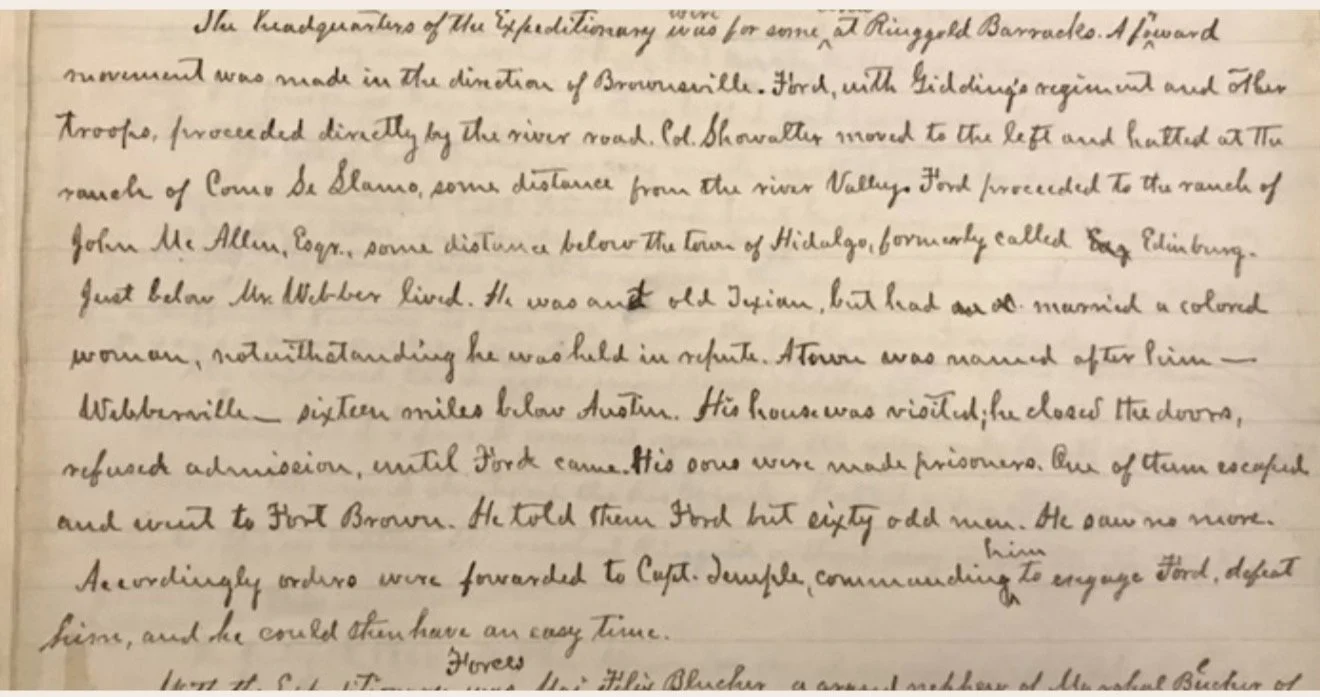
John Salmon “Rip” Ford’s account of the Webber’s being Union Sympathizers.
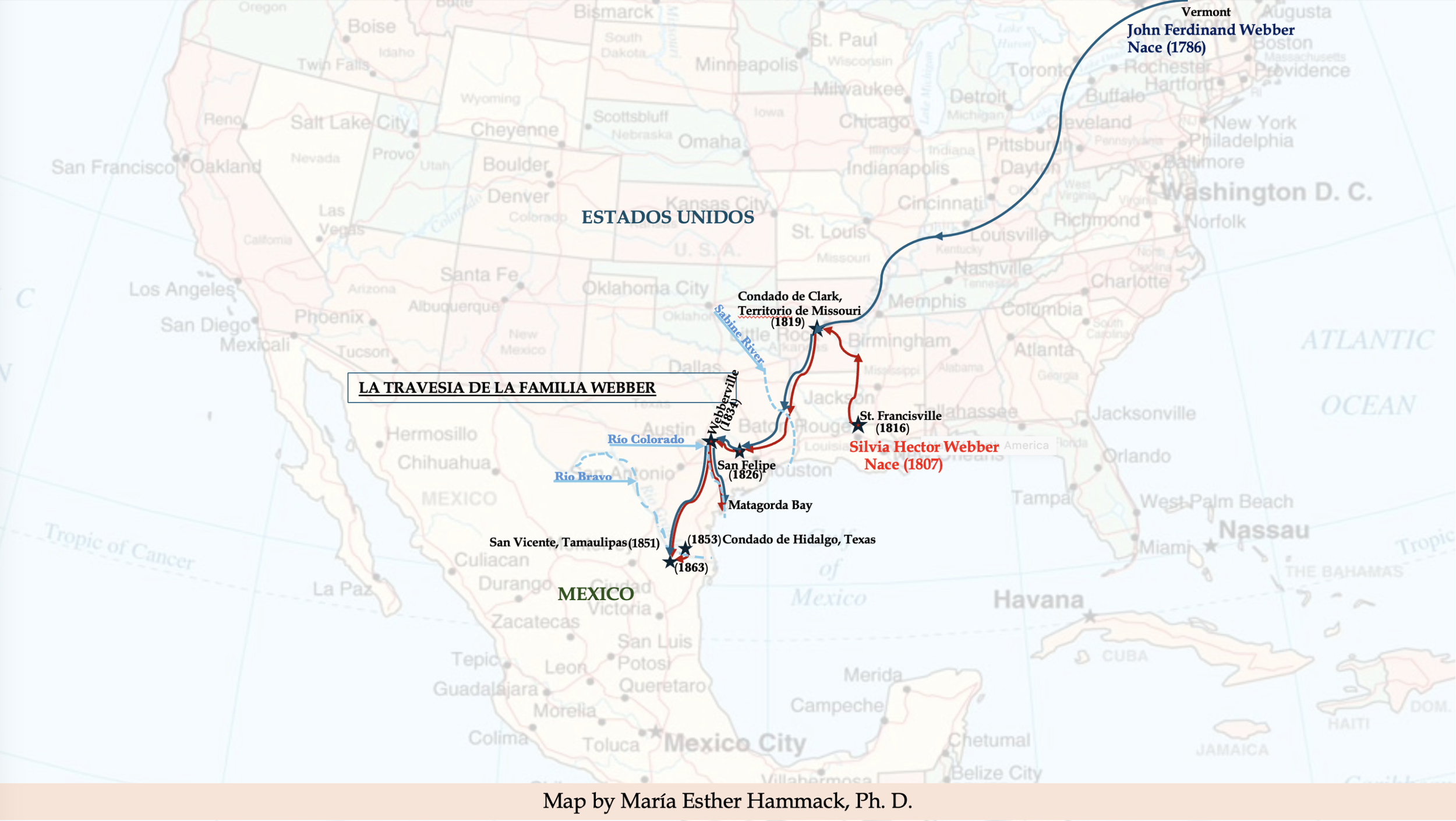
Map showing the geographies of John & Silvia Hector-Webber.
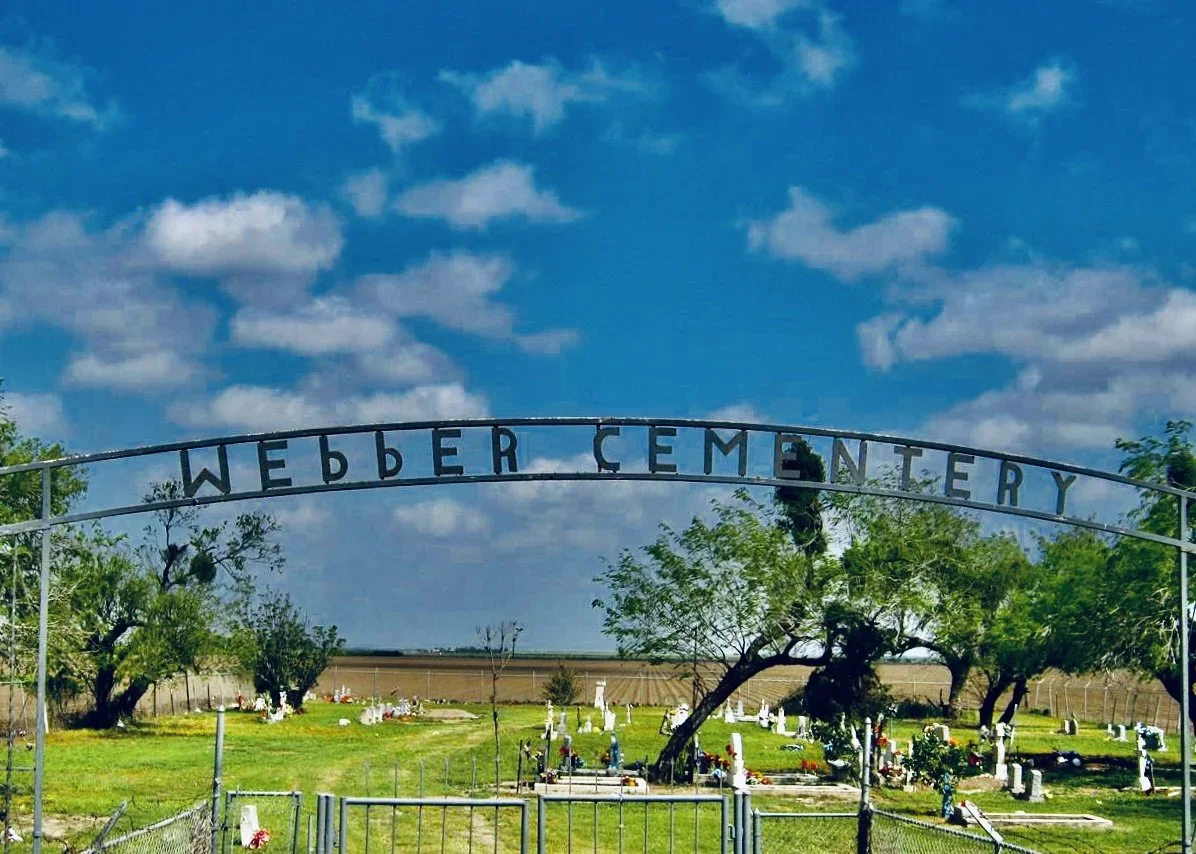
Webber Cemetery in Hildalgo County, Texas where Silvia is buried.